
If you are planning your first African wildlife adventure, understanding what to expect on a Kenya safari can help you prepare for one of the most unforgettable travel experiences in the world. Many travelers research what to expect on a Kenya safari before booking their trip because a safari is very different from a typical vacation. From early morning game drives to incredible wildlife encounters across vast savannah landscapes, a Kenya safari offers a unique opportunity to experience nature in its purest form.
Kenya is widely recognized as one of Africa’s top safari destinations, thanks to its diverse ecosystems, rich wildlife populations, and world-famous national parks such as Maasai Mara National Reserve, Amboseli National Park, Tsavo National Park, and Lake Nakuru National Park. Whether you are hoping to witness lions in the wild, photograph elephants against a mountain backdrop, or experience African culture firsthand, a Kenya safari offers all of these adventures and more.
This guide explains exactly what to expect on a Kenya safari, especially if you are visiting Africa for the first time.
Understanding the Kenya Safari Experience
One of the most common questions from new visitors is, “What will a typical day on safari look like?” Knowing what to expect on a Kenya safari goes beyond seeing animals—it’s about understanding the rhythms of the environment, the role of guides, and how game drives are organized.
Safaris revolve around game drives, guided excursions where travelers explore parks in specialized 4×4 vehicles. Animals roam freely, which means sightings are never guaranteed, but every safari is unique. First-time visitors often find that patience and attentiveness enhance the experience, making it easier to see predators, herds, and birds in their natural habitats.
By understanding what to expect on a Kenya safari, you can mentally prepare for early mornings, long drives, and moments of quiet observation that are just as rewarding as seeing a lion or elephant.
The Daily Safari Routine
A key part of knowing what to expect on a Kenya safari is the typical schedule of activities. Animals are most active during the cooler parts of the day, making early mornings and late afternoons ideal for game drives.
A sample safari day includes:
- 5:30–6:00 AM – Wake-Up Call: Most lodges provide tea or coffee before departure.
- 6:00–9:30 AM – Morning Game Drive: Predators such as lions and cheetahs are often more active at this time.
- 9:30–10:00 AM – Breakfast at the Lodge
- Midday – Rest and Relaxation: Guests can relax at the lodge, swim, or enjoy wildlife views from their accommodations.
- 4:00–6:30 PM – Evening Game Drive: Animals emerge again as the day cools, creating excellent photo opportunities.
- Evening – Dinner and Leisure: The day concludes with dinner and reflection on the sightings.
This schedule is typical across most Kenyan lodges and camps and gives travelers a clear sense of what to expect on a Kenya safari day-to-day.
Wildlife You Can Expect to See
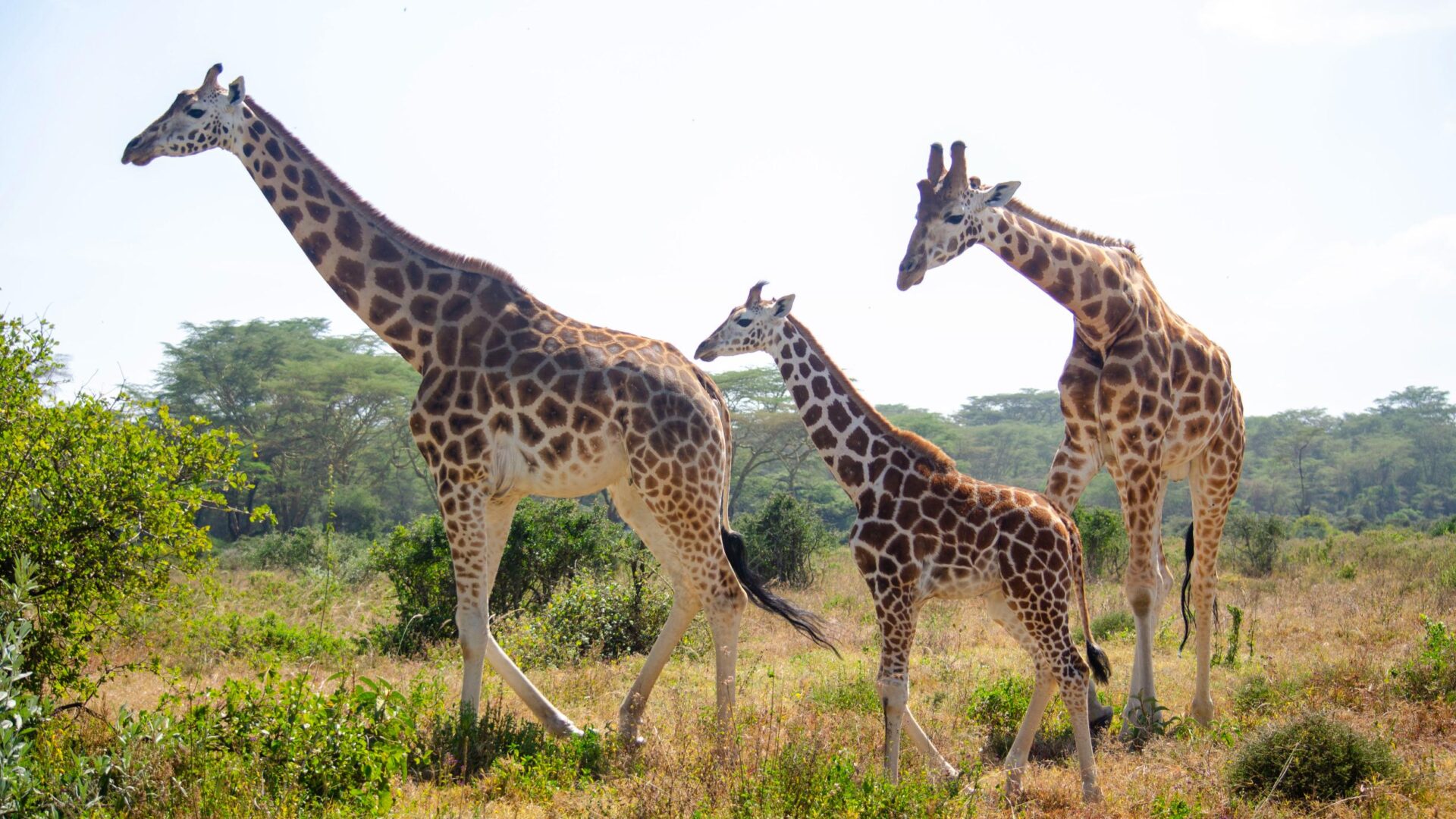
When planning your safari, knowing what to expect on a Kenya safari includes understanding which animals you might see. Kenya is home to the famous Big Five: lions, elephants, leopards, buffalo, and rhinoceroses. Beyond these iconic species, visitors often spot giraffes, zebras, cheetahs, hyenas, hippos, and crocodiles.
Another spectacular event is the Great Wildebeest Migration, which occurs between Serengeti National Park in Tanzania and Maasai Mara National Reserve in Kenya. During this event, millions of wildebeest and zebras traverse the plains—a once-in-a-lifetime experience for many travelers.
Knowing what to expect on a Kenya safari also involves understanding that sightings are not guaranteed. Animals roam freely, and conditions like weather, vegetation, and timing affect what you’ll see.
Safari Vehicles and Expert Guides
One essential aspect of knowing what to expect on a Kenya safari is understanding the role of safari vehicles and guides. Most safaris take place in 4×4 vehicles with pop-up roofs, offering unobstructed views of wildlife while keeping passengers safe.
Professional guides are trained in:
- Wildlife tracking
- Animal behavior interpretation
- Park ecosystems
- Conservation education
Their expertise allows visitors to spot elusive animals, learn about the flora and fauna, and navigate challenging terrain. For first-timers, having a guide greatly enhances understanding what to expect on a Kenya safari, from spotting the Big Five to appreciating subtle ecological interactions.
Accommodation Options on Safari
Another important factor in what to expect on a Kenya safari is where you will stay. Kenya offers a variety of accommodations ranging from luxury lodges to tented camps.
Luxury Lodges
These offer spacious rooms, fine dining, swimming pools, and stunning views overlooking wildlife areas.
Tented Safari Camps
These camps provide an authentic experience while maintaining comfort with proper beds, private bathrooms, and guided services.
Budget Safari Camps
Affordable options that still allow access to guided game drives and national parks.
Many lodges are located near waterholes or along migration routes, allowing guests to enjoy wildlife sightings even from their rooms.
Best Time to Visit
To understand what to expect on a Kenya safari, timing is critical. While Kenya offers great wildlife viewing year-round, certain periods are ideal:
- June–October: Dry season with animals concentrated around water sources.
- July–October: Peak time for the Great Wildebeest Migration in the Maasai Mara.
- January–March: Warm weather, fewer crowds, and good wildlife sightings.
Rainy seasons provide lush scenery but may make roads challenging.
Safari Packing Tips
A practical aspect of what to expect on a Kenya safari is packing. Proper gear ensures comfort and convenience:
- Neutral-colored clothing (beige, khaki, olive green)
- Wide-brim hat and sunglasses
- Sunscreen and insect repellent
- Binoculars and camera with zoom lens
- Comfortable walking shoes
Layered clothing is recommended as mornings can be cool, while afternoons are hot. Packing light is also advised, especially for bush flights with luggage restrictions.
Cultural Experiences
Beyond wildlife, cultural experiences are part of understanding what to expect on a Kenya safari. Many itineraries include visits to local communities, especially the Maasai people.
Activities may include:
- Learning about Maasai traditions
- Watching traditional dances
- Exploring local crafts and jewelry
- Observing their relationship with the surrounding wildlife
These interactions provide insight into how local communities contribute to conservation and wildlife protection efforts.
Travel Logistics
Most international visitors begin in Nairobi, arriving through Jomo Kenyatta International Airport. Safari parks are accessible via:
- Road transfers in safari vehicles
- Domestic bush flights to airstrips near national parks
Some parks are a short drive away, while others require flights. Bush flights have luggage limits, so travelers are advised to pack efficiently.
Managing Expectations
A crucial part of knowing what to expect on a Kenya safari is managing expectations. Wildlife sightings are not guaranteed, and every safari experience is different. Some drives may produce spectacular predator interactions, while others focus on scenery and birdlife.
The best approach is to:
- Be patient
- Enjoy the landscapes
- Listen to your guide’s insights
- Appreciate every wildlife encounter
Often, the most memorable moments are unexpected—the roar of a lion at night or elephants drinking at dawn.
FAQs – What to Expect on a Kenya Safari
What does a typical day on a Kenya safari look like?
On a Kenya safari, days usually start early with a morning game drive, followed by breakfast at your lodge. Midday is for rest, lunch, or leisure, and the afternoon includes another game drive before dinner. Wildlife is most active in the early morning and late afternoon, making these the best times for sightings.
Which animals can I expect to see on a Kenya safari?
You can expect to see the famous Big Five—lion, elephant, leopard, buffalo, and rhinoceros—along with zebras, giraffes, cheetahs, hippos, crocodiles, and hundreds of bird species. The exact sightings vary as animals roam freely across the parks.
What type of accommodation is available during a safari?
Kenya offers a range of safari accommodations, from luxury lodges with gourmet meals and pools, to comfortable tented camps that immerse you in nature, and budget-friendly camps for more affordable experiences. Many lodges are near wildlife hotspots, allowing animal viewing from your room.
Do I need a guide, and what will they do?
Yes, professional safari guides are essential. They track wildlife, interpret animal behavior, navigate parks, and provide insights about conservation and local culture. Guides ensure a safe and educational experience, enhancing your understanding of what to expect on a Kenya safari.
When is the best time to go on a Kenya safari?
The best time is usually during the dry season (June–October) when wildlife is concentrated around water sources. The peak migration in the Maasai Mara occurs from July to October. January–March is also good for wildlife viewing with fewer tourists, while the rainy seasons offer lush scenery.
Leave a Reply