
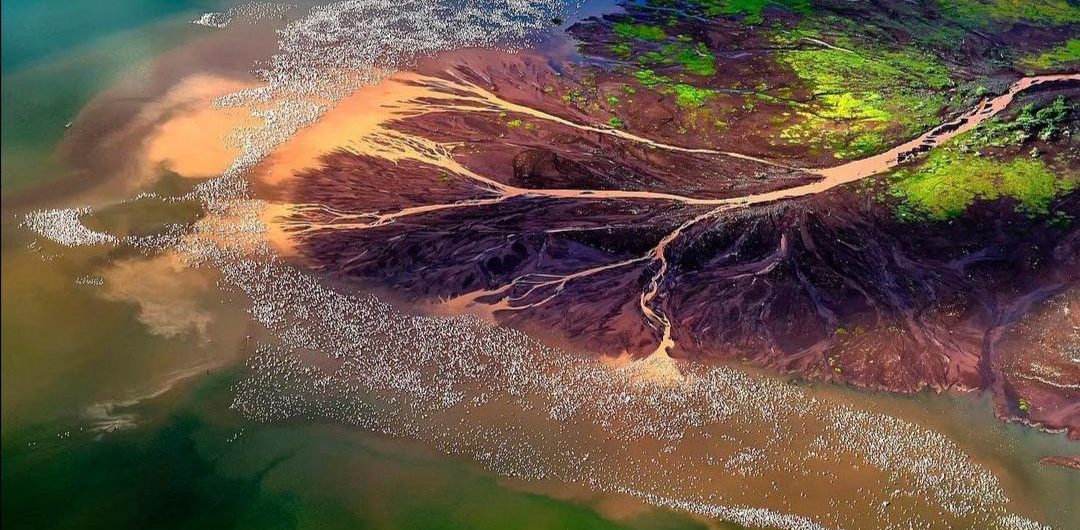
Lake Bogoria National Reserve is one of Kenya’s most unique and underrated travel destinations. Located in the heart of the Great Rift Valley, this spectacular reserve is famous for its thousands of flamingos, steaming hot springs, geysers, and untouched natural beauty. Unlike the more crowded parks in Kenya, Lake Bogoria offers a peaceful and authentic experience for travelers looking to explore nature in its raw form.
Whether you are a wildlife enthusiast, a photographer, or a traveler seeking something different, Lake Bogoria National Reserve provides a rare combination of geological wonders and wildlife encounters.
Overview of Lake Bogoria National Reserve
Lake Bogoria National Reserve lies in Baringo County, about 250 kilometers from Nairobi. It is part of the Kenya Lake System, which is recognized as a UNESCO World Heritage Site due to its ecological importance.
Key Facts About Lake Bogoria
- Type of lake: Alkaline (soda lake)
- Length: Approximately 34 km
- Width: About 3.5 km
- Altitude: Around 990 meters above sea level
- Main attractions: Flamingos, geysers, hot springs, wildlife
- Climate: Hot and dry most of the year
The lake’s alkaline waters create a perfect environment for cyanobacteria (blue-green algae), which serves as the primary food source for flamingos. This makes Lake Bogoria one of the best places in Africa to witness large flocks of these birds.
The Flamingo Spectacle
One of the biggest highlights of Lake Bogoria National Reserve is the incredible sight of flamingos lining the shores of the lake. At certain times of the year, the lake turns pink due to the sheer number of birds.
Why Flamingos Love Lake Bogoria
- The lake is rich in algae, their main food source
- Minimal disturbance due to low human activity
- Ideal shallow waters for feeding
Most of the flamingos found here are lesser flamingos, although greater flamingos may also be spotted occasionally. The number of flamingos varies depending on water levels and food availability, but the experience remains breathtaking.
Geothermal Wonders: Hot Springs and Geysers
Lake Bogoria is not just about birds—it is also a geothermal hotspot. The reserve is home to over 200 hot springs and geysers, making it one of the most geologically active regions in East Africa.
What Makes This Unique?
- Some geysers shoot water several meters into the air
- Water temperatures can reach boiling point (100°C)
- Steam vents create a dramatic landscape
Visitors often enjoy the unique experience of boiling eggs in the hot springs, a simple but memorable activity that showcases the intense geothermal energy beneath the surface.
Wildlife at Lake Bogoria National Reserve
Although the lake itself is too alkaline to support fish, the surrounding ecosystem is rich in wildlife. The reserve is less crowded than major parks, allowing for a more relaxed game viewing experience.
Animals You Can Spot
- Greater kudu (a rare and beautiful antelope)
- Zebras
- Grant’s gazelles
- Warthogs
- Olive baboons
- Vervet monkeys
The presence of the greater kudu makes Lake Bogoria particularly special, as this species is not commonly seen in many other parks in Kenya.
Birdlife Beyond Flamingos
Lake Bogoria is a paradise for bird lovers, with over 135 recorded bird species. While flamingos dominate the landscape, there is much more to see.
Other Bird Species
- Pelicans
- Fish eagles
- Herons
- Cormorants
- Ostriches
This diversity makes Lake Bogoria National Reserve one of the top birdwatching destinations in Kenya, attracting both amateur and professional birders.
Scenic Landscapes and Natural Beauty
The reserve is surrounded by dramatic escarpments, acacia woodlands, and open savannah, creating stunning views at every turn. The contrast between the blue waters of the lake, white mineral deposits, and green vegetation makes the landscape incredibly photogenic.
Sunrise and sunset are particularly magical times to visit, as the lighting enhances the beauty of the scenery.
Why You Should Visit Lake Bogoria National Reserve
1. A Unique Combination of Attractions
Few places in the world offer such a mix of wildlife, birdlife, and geothermal features in one location.
2. Peaceful and Less Crowded
Compared to popular destinations like Maasai Mara National Reserve, Lake Bogoria provides a quieter, more intimate experience.
3. Perfect for Photography
From flamingo-covered shores to steaming geysers, every corner of the reserve offers incredible photo opportunities.
4. Ideal for Nature Lovers
If you enjoy raw, untouched nature, Lake Bogoria is one of the best places to experience it in Kenya.
Activities to Do at Lake Bogoria
Visitors to Lake Bogoria National Reserve can enjoy a variety of activities:
- Game drives
- Bird watching
- Exploring hot springs and geysers
- Nature walks (guided)
- Landscape and wildlife photography
Unlike some parks, activities here are more relaxed, allowing you to fully appreciate the environment.
Best Time to Visit Lake Bogoria
The reserve can be visited year-round, but certain periods offer better experiences.
Recommended Times
- June to October (Dry Season): Best for wildlife viewing
- Early mornings and evenings: Best for photography
- Flamingo numbers vary depending on ecological conditions
How to Get to Lake Bogoria
Lake Bogoria is easily accessible by road from Nairobi.
Route Options
- Nairobi → Nakuru → Marigat → Lake Bogoria
- Approximate travel time: 4–5 hours
A 4WD vehicle is recommended, especially during the rainy season, as some roads can be rough.
Nearby Attractions
You can combine your visit to Lake Bogoria with nearby destinations for a richer experience:
- Lake Baringo – Known for boat rides and birdlife
- Lake Nakuru National Park – Famous for rhinos and flamingos
This makes the region ideal for a multi-destination safari itinerary.
Conservation and Importance
Lake Bogoria is part of a fragile ecosystem that supports both wildlife and local communities. Conservation efforts focus on:
- Protecting flamingo habitats
- Preserving geothermal features
- Promoting sustainable tourism
As a visitor, it is important to respect park rules and help protect this unique environment.