
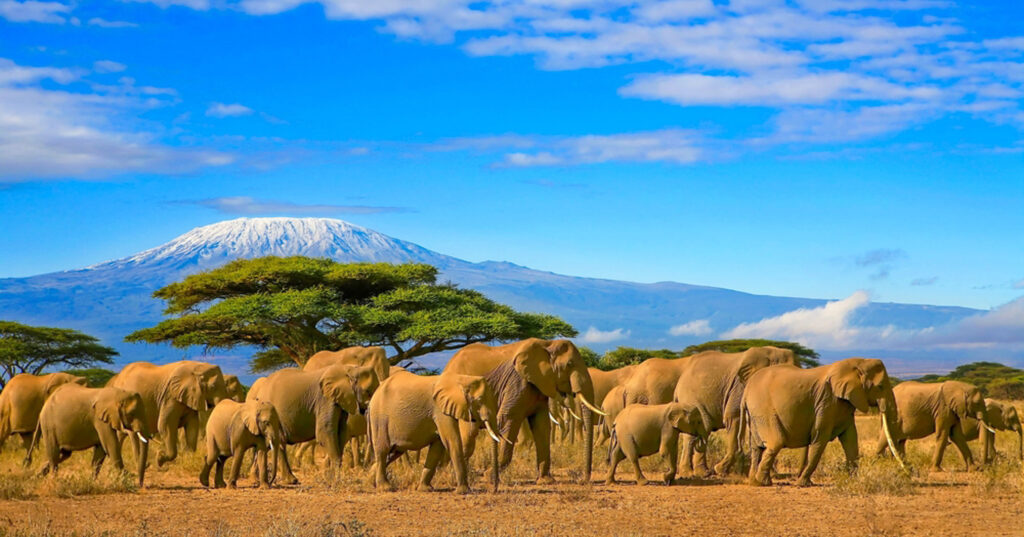
Kenya has long been the crown jewel of East African tourism, but as we move into 2026, the landscape of travel is shifting. No longer just a destination for ticking the “Big Five” off a bucket list, Kenya has evolved into a hub for regenerative travel, digital nomadism, and deep cultural immersion. Whether you are a seasoned trekker or a first-time adventurer, this Kenya Travel Guide provides the essential roadmap for navigating the “Home of the Human Spirit” in the modern era.
Why You Should Visit Kenya -Kenya Travel Guide
If you are planning to visit Kenya in 2026, you are entering a golden age of African travel. The most significant Kenya tourism trends this year revolve around “Slow Travel” and “Impact Tourism.” Travelers are moving away from rushed, three-day itineraries, choosing instead to spend two weeks immersed in single ecosystems like the Greater Mara or the Laikipia Plateau.
In 2026, Kenya’s infrastructure has reached a new peak. The expansion of the Standard Gauge Railway (SGR) and improved domestic flight networks mean you can watch the sunrise over the savannas of Amboseli and enjoy a Swahili seafood dinner on the white sands of Watamu by dusk. Furthermore, the rise of “Workations” has led to high-speed internet availability in the most remote bush camps, allowing a new generation of travelers to blend professional life with the wild.
Kenya ETA Requirements & Entry Guide
Navigating the logistics is the first step of any journey. Since the transition from traditional visas, understanding the Kenya ETA requirements is crucial for a smooth arrival. As of 2026, the Kenya visa 2026 system is fully digital, streamlined through the official “eCitizen” portal.
- What is the ETA? The Electronic Travel Authorization (ETA) is a semi-automated system that determines the eligibility of visitors to travel to Kenya. It is mandatory for all foreign visitors except citizens of EAC Member States.
- Application Timeline: You should apply for your ETA at least two weeks before your departure. Most applications are processed within 72 hours, but early application accounts for any documentation hurdles.
- Required Documents: You will need a valid passport (minimum 6 months validity), a recent passport-style photo, your flight itinerary, and proof of accommodation booking.
- Health Protocols: While COVID-19 restrictions have largely faded into the background, travelers are still required to show proof of Yellow Fever vaccination if arriving from an endemic country. Always check the latest health advisories on the official portal three weeks before flying.
Best Time to Visit Kenya for Safari
Timing is everything in the wild. While Kenya is a year-round destination, the best time to visit Kenya depends heavily on what you want to see.
The Great Migration
The Maasai Mara migration dates remain the biggest draw. In 2026, the herds are expected to arrive from the Serengeti in late June and stay through October. For the iconic “river crossing” sightings, aim for August and September. However, the “Secret Season” (January to March) is becoming increasingly popular for those who want to see newborn animals and avoid the peak season crowds.
Weather Patterns
- Dry Season (June to October): Best for wildlife viewing as animals congregate around water holes. Vegetation is thin, making it easier to spot predators.
- Short Rains (November to December): Beautiful for birdwatching and photography, as the dust settles and the landscape turns a vibrant emerald green.
- Long Rains (April to May): While some dirt roads become impassable, this is the “Green Season” where luxury lodges offer significantly lower rates.
Top 10 Kenya Safari Packages Reviewed
Choosing between various Kenya safari packages can be overwhelming. To help you decide, we’ve analyzed the top-performing options for 2026, ranging from rugged adventures to luxury safari Kenya experiences.
- The Classic 7-Day Sky Safari: A high-end package using executive private aircraft to hop between Amboseli, Meru, and the Maasai Mara. Minimal travel time, maximum wildlife.
- The Great Migration Specialist: A 10-day deep dive into the Mara ecosystem, focusing on mobile camps that follow the herds.
- The Family Bush & Beach Combo: 4 days in Tsavo East followed by 5 days in Diani Beach. Ideal for those traveling with children.
- The Conservationist Trek: A walking safari through the Laikipia conservancies, guided by local Samburu trackers.
- The Photographer’s Dream: Small group tours using specialized open-sided vehicles with gimbal mounts and expert photography tutors.
- The Rift Valley Explorer: Visiting the pink flamingoes of Lake Nakuru and the rhinos of Lake Naivasha.
- The Northern Frontier Adventure: A rugged journey to Samburu and the Chalbi Desert for the “Special Five” wildlife species.
- The Romantic Honeymooner: Featuring “Star Beds” in the bush and private candle-lit dinners under the African sky.
- The Mount Kenya Climbing Expedition: A 5-day trek for the adventurous traveler looking to conquer Point Lenana.
- The Solo Traveler Social Safari: Fixed-departure group tours that reduce costs and provide a social atmosphere.
Sustainable Tourism: Eco-Friendly Lodges in Kenya
Kenya is a global leader in sustainable tourism Kenya. In 2026, the industry has moved beyond just “banning plastic straws.” Eco-friendly lodges are now judged by their “Regenerative Score”—how much they give back to the local community and land.
- Community Conservancies: By staying in lodges within community-owned land (like those in the Northern Rangelands Trust), your bed-night fees directly pay for local schools, healthcare, and anti-poaching units.
- Off-Grid Innovation: Many new lodges in 2026 are 100% solar-powered and utilize advanced greywater recycling systems to protect the fragile savanna ecosystems.
- Electric Safaris: Look for camps that utilize E-landcruisers. These silent vehicles allow you to get closer to wildlife without the roar of a diesel engine, creating a much more intimate “silent safari” experience.
Kenya Travel Costs: Budget vs. Luxury
Understanding your Kenya safari cost is vital for planning. While Kenya is often perceived as an expensive destination, there is a path for every wallet.
Budget Travel Kenya ($100 – $150 per day)
- Transport: Using the SGR train and public “matatus” for inter-city travel.
- Accommodation: Staying in hostels in Nairobi or “Campsites” outside the National Reserve gates where you can pitch your own tent.
- Dining: Enjoying local “Nyama Choma” (roasted meat) and street food.
Mid-Range ($300 – $600 per day)
- Transport: Hiring a 4×4 Landcruiser with a private driver-guide.
- Accommodation: Staying in permanent tented camps or 4-star safari lodges.
- Experiences: Including a mix of game drives and cultural village visits.
Luxury Safari Kenya ($1,000+ per day)
- Transport: Internal “Bush Flights” to avoid long drives.
- Accommodation: Ultra-luxury boutiques like Giraffe Manor or secluded lodges in the Mara North Conservancy.
- Extras: Hot air balloon safaris (approx. $450 per person) and private fly-camping under the stars.
Is Kenya Safe for Solo Travelers?
A common question for 2026 is: Is Kenya safe for solo travelers? The short answer is yes, provided you follow the same common-sense rules you would in any major global destination. Kenya travel safety has improved significantly with the professionalization of the Tourist Police Unit.
Solo Travel Kenya Tips:
- Nairobi Navigation: Use reputable ride-hailing apps like Uber or Bolt rather than hailing unmarked taxis on the street, especially at night.
- The “Bush Telegraph”: In safari areas, you are rarely truly “alone.” Lodges are incredibly communal, and guides look after solo guests with extra care.
- Local Connectivity: Buy a local Safaricom SIM card upon arrival. Having access to data and “M-Pesa” (mobile money) is essential for safety and convenience.
- Respect the Wild: Safety isn’t just about people; it’s about animals. Always follow your guide’s instructions. Never walk unescorted in camps at night.